
Home / Waterproofing & drainage
Crawl space waterproofing and drainage
Water standing under the house after a storm is a different problem from humid air. It needs a path out, or a reason never to get in. Sealing a crawl space over standing water does not solve it.
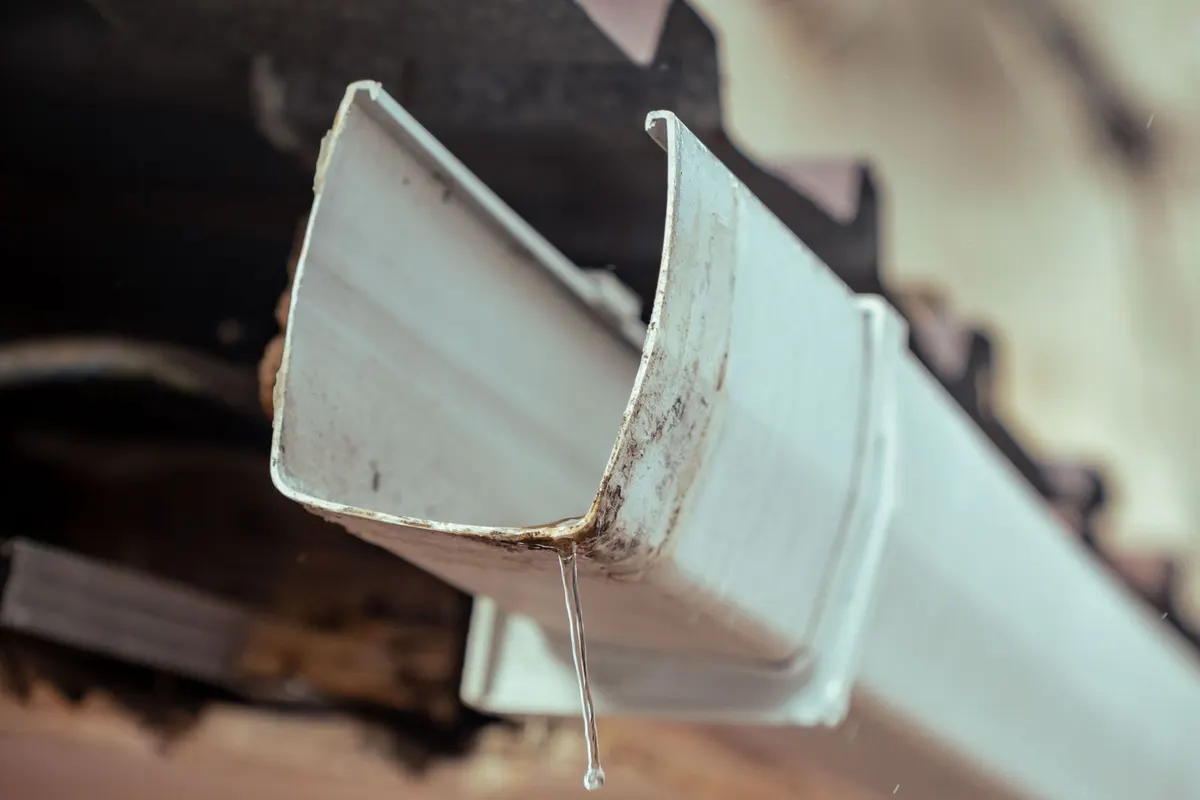
Memphis averages close to six inches of rain in each of March and April, according to National Weather Service normals, and spring storms can drop a lot of that in a few hours. The silty, clay-rich soils that cover much of the metro absorb water slowly, so heavy rain tends to run along the surface or collect against foundations. If the crawl space sits lower than the yard around it, water finds its way in through block joints, under footings, and through the foundation vents.
Start outside
The cheapest drainage work is often on the outside of the house, and a good contractor will check it before selling you a pump.
- Gutters. Clogged or undersized gutters spill water straight down beside the foundation.
- Downspouts. A downspout that ends at the foundation dumps the runoff from a whole section of roof into one spot. Extensions or buried lines that carry the water well away from the house can make a big difference.
- Grading. Soil against the house should slope away from it. Over the years, flower beds, settled backfill, and new patios often reverse that slope.
- Window wells and vents. Low vents near ground level can let in surface runoff.
Inside the crawl space
- Interior perimeter drain. A perforated pipe set in a shallow trench along the inside of the foundation walls, sloped to carry water to a collection point.
- Sump basin and pump. A basin at the low point collects water, and a pump sends it out through a discharge line. The discharge should end far enough from the house that the water does not come straight back.
- Liner over the drain. In a sealed system, the liner goes over the drain so water flows under it to the sump instead of pooling on top.
Questions worth asking
- Where is the water coming from: one side of the house, surface runoff, or rising groundwater?
- What outside fixes would you try first, and why?
- What pump, how is it protected from clogging, and is there a check valve?
- Where does the discharge line end?
- Do you recommend a backup pump or battery for long storms and power outages?
- How is the drain tied to the liner and the rest of the system?
Low-lying lots near creeks and river bottoms can see water levels that no pump will fully control during a flood. If your property is in a mapped flood zone, ask about that directly. A contractor should not promise that a crawl space will never get wet.
Related reading: encapsulation and cost guide. To have someone figure out where the water is coming from, send a request or call (901) 000-0000.
Want a contractor to crawl under and look?
Send one short request and we will pass it to an independent crawl space contractor who covers Memphis and DeSoto County.